

Our History Is America’s History
Long before European settlement, First Peoples traveled the Valley. Their north-south route became the Great Wagon Road bringing settlers, trade, and ideas from the east through the Shenandoah Valley and into westward expansion. In the 1700s, Virginia encouraged settlement to secure the frontier. Religious toleration drew Protestant family farmers from Pennsylvania, while fertile land attracted English, Scots-Irish, and German-speaking settlers. These early settlers and eastern planters who moved here also brought slavery into the valley which became a corridor for the domestic slave trade into the deep south. Pacifist faiths—today’s Mennonite, Church of the Brethren, and German Baptist traditions—established lasting communities still seen in the region.
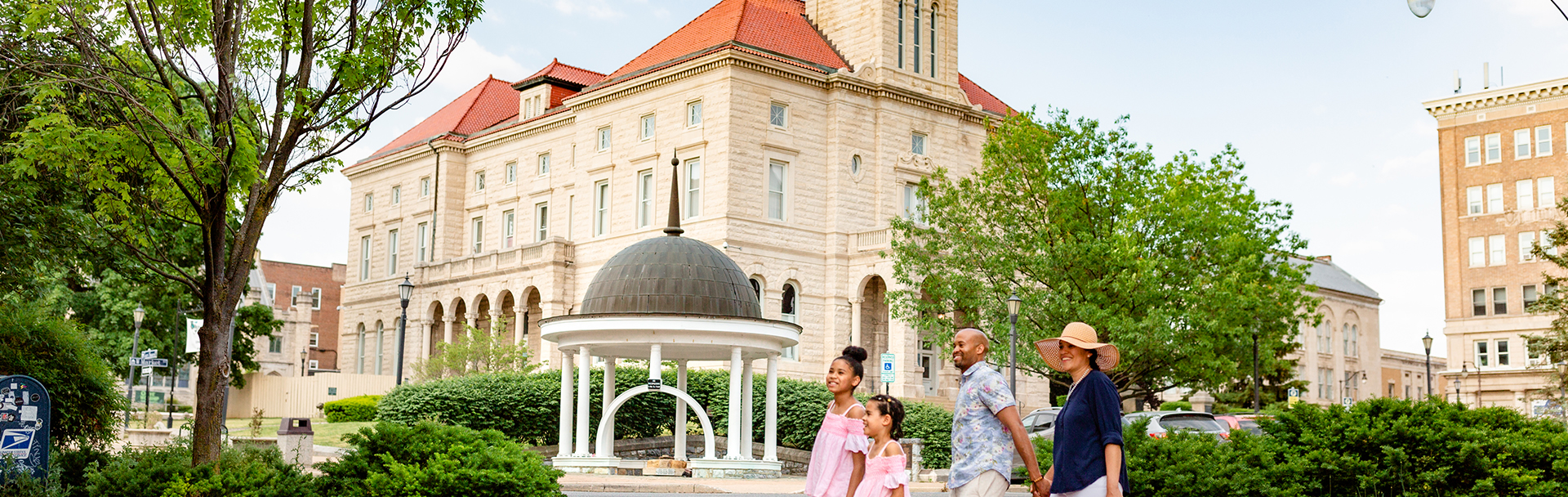
Rockingham County was formed in 1778, named for the Marquis of Rockingham, a British supporter of American rights during the revolution. In 1779, Thomas and Sarah Harrison deeded land around the “Big Spring” (today’s Court Square) for public use, and Harrisonburg was named in 1780. The town quickly became a hub for trade, travel, and governance with a growing population of enslaved people. By the 1800s, Jewish merchants, Irish Catholic laborers, also settled in the area. During the Civil War, armies repeatedly marched through the area along the Great Wagon Road, then known as the Valley Turnpike, to various battles. The arrival of the railroad in 1868–69 connected Harrisonburg and Rockingham County to national markets, helping the region rebuild. After World War II, civil rights progress, interstate highways, and immigration brought continued growth. Apple orchards and the poultry industry relied on workers from the Caribbean, Mexico, and beyond. Refugees from Europe, Africa, the Middle East, and Southeast Asia found opportunity and community, supported by local churches and organizations. Harrisonburg and Rockingham County tell a complex American story of settlement, labor, faith, displacement, and resilience. Discover this layered, living, and still unfolding story.
Looking to explore Harrisonburg history?
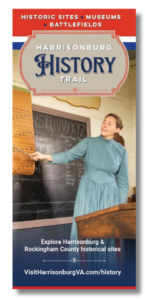
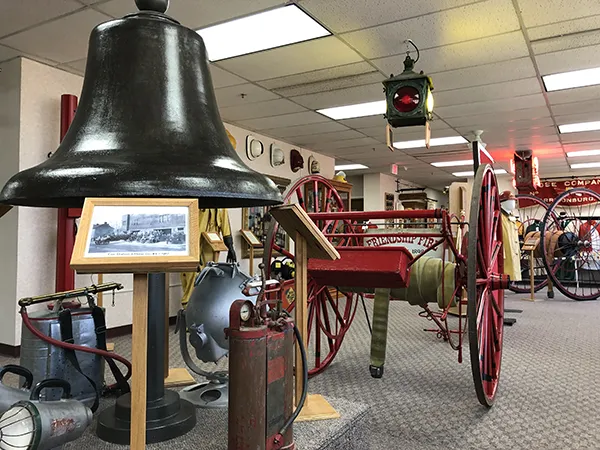
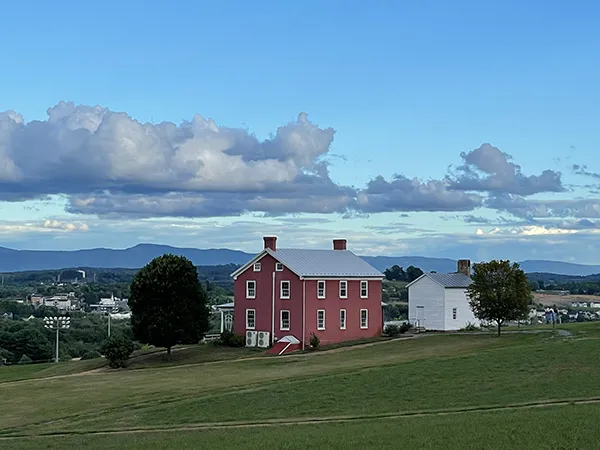
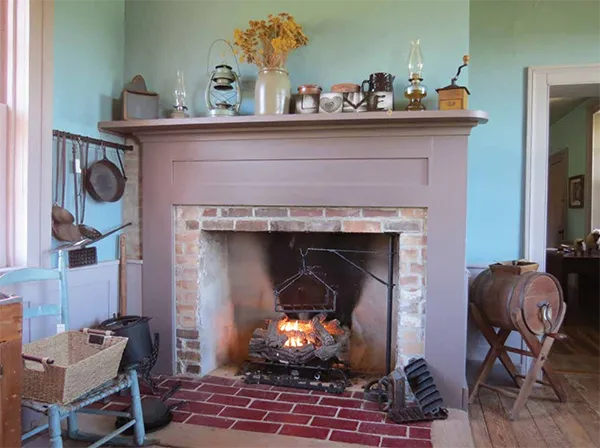
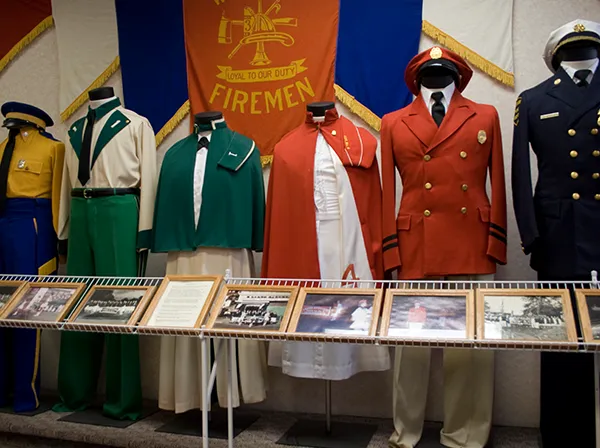
Step into the stories that shaped the Shenandoah Valley along the Harrisonburg History Trail, a self guided journey through Harrisonburg and Rockingham County. Discover remarkable history by visiting battlefields, step into historic homes, experience a one room schoolhouse, or tour a museum dedicated to local firefighting.
Download the Harrisonburg History Trail brochure.